When a group of passionate women gathers in a sun‑lit studio in Sydney to brainstorm new ways to protect wetlands, the last thing on their minds is a boring gift box. They need something that feels as fresh as the eucalyptus breeze and as purposeful as their mission. That’s where hampers for women in environmental conservation workshop Australia come in—handcrafted bundles that celebrate the spirit of stewardship while looking good on a coffee table. In this guide, we’ll explore why these hampers matter, what makes a great one, and how to choose the perfect match for your eco‑savvy audience.
Why Hampers Matter at Conservation Workshops
A Token of Appreciation That Keeps Giving
At the end of a day spent planting seedlings and mapping biodiversity, participants deserve a tangible reminder of their impact. A hamper filled with sustainably sourced goodies turns gratitude into a daily ritual. It’s like giving a seed that keeps on growing—each item nurtures a habit that benefits the planet.
Bridging the Gap Between Learning and Lifestyle
Conservation isn’t just about lectures; it’s a lifestyle. Hampers that include reusable kitchenware, organic teas, or zero‑waste starter kits help attendees translate workshop insights into everyday actions. Think of it as a bridge: the knowledge you share on the floor meets the practical tools you hand out in the gift bag.
Building Community Through Shared Values
When women receive a thoughtfully curated hamper, they feel seen and valued. It sparks conversations—“Did you know this soap is made from recycled bottles?”—and reinforces the sense of belonging that is essential for long‑term environmental engagement. In a world where individual actions can feel isolating, a shared gift can knit a stronger collective identity.
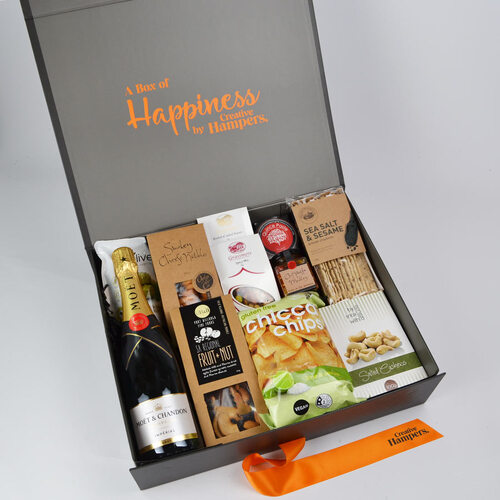
Key Elements of a Winning Hamper
1. Sustainability at the Core
- Recycled or biodegradable packaging: Opt for kraft paper or bamboo trays. Ethically sourced products: Look for Fair‑Trade or locally produced items. Low‑carbon footprint: Choose products with minimal transportation impact.
2. Personalization for Impact
- Custom labels: Include the workshop’s logo or a personalized thank‑you note. Choice boxes: Offer a selection of items so recipients can pick what resonates. Eco‑friendly branding: Use soy ink or vegetable‑based dyes for any printed materials.
3. A Mix of Practical and Inspirational
- Functional items: Reusable water bottles, bamboo cutlery sets, or silicone storage bags. Inspirational touches: A pocket journal with nature prompts or a small succulent. Treats that taste good and feel good: Dark chocolate with a “sustainably sourced” label or herbal teas grown in regenerative farms.
4. Size and Presentation
- Compact yet substantial: A medium‑size hamper that’s easy to carry home. Visual appeal: Layer items with natural fibers or plant‑based fillers for a “rustic chic” look. Easy unboxing: Clear, simple packaging that doesn’t require extra tools to open.
Choosing the Right Supplier in Australia
Local vs. Imported
Australia’s rich biodiversity and strong ethical manufacturing culture mean many local suppliers can deliver high‑quality, eco‑friendly products. Supporting local reduces shipping emissions and boosts the domestic green economy.
Vetting for Authenticity
- Certificates: Look for FSC, GOTS, or B Corp certifications. Transparency: Suppliers should provide clear information about sourcing and labor practices. Reviews: Check testimonials from previous event organizers.
Customization Capabilities
Some suppliers offer bespoke hampers, allowing you to select each item. Others provide pre‑designed bundles that can be tweaked with a personalized message. Decide which approach aligns best with your budget and timeline.
A Real‑World Anecdote
During a recent workshop in Melbourne, the facilitator handed out hampers that included a tiny seedling kit and a reusable bamboo straw. One participant, a marine biologist, laughed and said, “I never thought I’d be planting something on a coffee table!” The moment turned into a group discussion about how small, everyday actions—like growing a herb indoors—can ripple into larger conservation efforts. This anecdote illustrates how a well‑chosen hamper can spark conversation and inspire action beyond the workshop walls.
Incorporating a Memorable Quote
“Conservation is not a one‑time act; it’s a lifelong commitment.” – Jane Goodall
Placing this quote on a small card inside the hamper reinforces the message that every item is a reminder of a larger purpose. It’s a gentle nudge Australian hampers for women that the gift is more than a token—it’s a catalyst for continued stewardship.
Rhetorical Questions to Spark Reflection
- Have you ever wondered how a simple gift could deepen your connection to the environment? What if the next time you open a hamper, you’re reminded to refill your water bottle instead of buying plastic? Could a thoughtfully curated hamper become the first step in your sustainable lifestyle journey?
These questions help readers pause and consider the broader impact of their choices, aligning with the transactional intent to purchase a meaningful hamper.
Final Thoughts: Making Your Selection Count
When you choose hampers for women in environmental conservation workshop Australia, you’re not just giving a gift—you’re planting a seed of continued action. By focusing on sustainability, personalization, and practicality, you create a package that feels like a warm hug and a call to action rolled into one. The next time you plan a workshop, think of the hamper as the bridge that carries the knowledge shared in the room into the everyday lives of your participants.
Ready to make a lasting impression? Explore local suppliers, curate a mix of eco‑friendly items, and let your hampers speak louder than words. Your thoughtful gift will echo in the hearts of women who are already committed to protecting our planet, encouraging them to keep the momentum alive long after the workshop ends.